

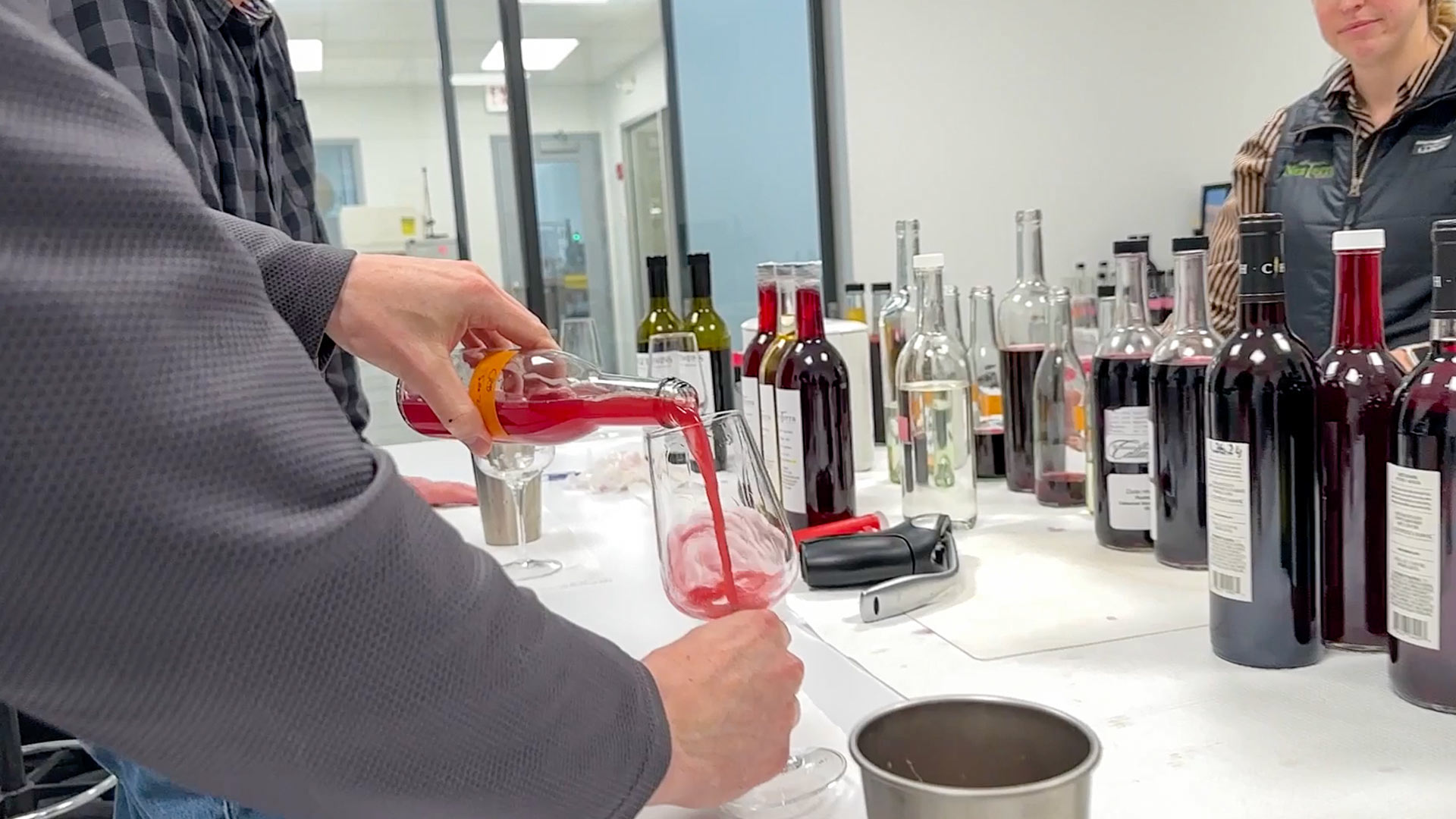


The wine category continues to evolve as consumer preferences shift. Low alcohol wines are gaining attention, reflecting broader changes in how and when people choose to enjoy wine. What was once considered a niche offering has grown alongside broader conversations around moderation and lifestyle balance — and at NexTerra, we’ve been monitoring its development closely.
Changing Consumption Patterns
Today’s consumers are placing greater emphasis on moderation and balance. Rather than replacing traditional wines, lower alcohol options expand the category — offering alternatives suited to weekday meals, daytime gatherings, and extended occasions. From our perspective, the shift is less about compromise and more about flexibility within the portfolio.
Health and Wellness Considerations
As labeling transparency and caloric awareness become more common, alcohol content has become part of purchasing decisions. A traditional 5oz glass of wine typically contains approximately 120–125 calories, primarily driven by alcohol content. Wines with lower ABV naturally reduce overall caloric impact while maintaining varietal character.
Quality remains the priority. Any lower alcohol wine must deliver the same balance, structure, and flavor expected across our broader programs.
Innovation in Production Techniques
We continue to see advancement in winemaking techniques that support this segment. Lower alcohol styles can be achieved through earlier harvesting, when sugar levels are naturally lower, or through post-fermentation technologies such as reverse osmosis or spinning cone systems.
When executed carefully — and in partnership with experienced producers — these approaches preserve aromatics and structure while adjusting alcohol levels.
Expanding Beyond Traditional Categories
Low alcohol is no longer limited to lighter white wines. In 2026, the category includes well-executed reds, sparkling wines, and rosés that maintain varietal character despite lower ABV. Cooler climate regions are naturally well positioned for this segment, and there is renewed interest in varieties that traditionally yield lighter expressions, such as Moscato d’Asti, Riesling, Vinho Verde styles, and select Pinot Noir programs.
As quality continues to improve, we’re seeing the category broaden without sacrificing balance or integrity.
Looking Ahead
Low alcohol wines remain an active area of development within the broader market. While still evolving as a segment, growth trends indicate continued expansion across multiple markets. The ability to offer varied alcohol levels within a portfolio provides added flexibility for retailers and brand partners.
At NexTerra, we continue to evaluate this space thoughtfully — ensuring any low alcohol programs we support meet the same sourcing, quality, and production standards that define our global portfolio.
Contact NexTerra to learn more about our low alcohol wine capabilities.
PRODUCT OF USA