

A certain mystique surrounds Ice Wine for most people. Does it mean the wine is just really cold? Is ice used during its production? Is it dry or sweet? What grapes is it made from? These questions, combined with the rarity of Ice Wine in most stores and restaurants, make for a great adventure into learning the history and process behind creating it.
The origins of Ice Wine are said to date back to Germany in the 18th century, when farmers hoped to save their annual crop from a cold, disastrous vintage. After centuries of refinement—and reliance on the right weather conditions—Ice Wine began to take hold in North America during the 1970s and 1980s, particularly in Canada. Today, much of the world’s Ice Wine comes from Ontario, along with select adjacent regions.
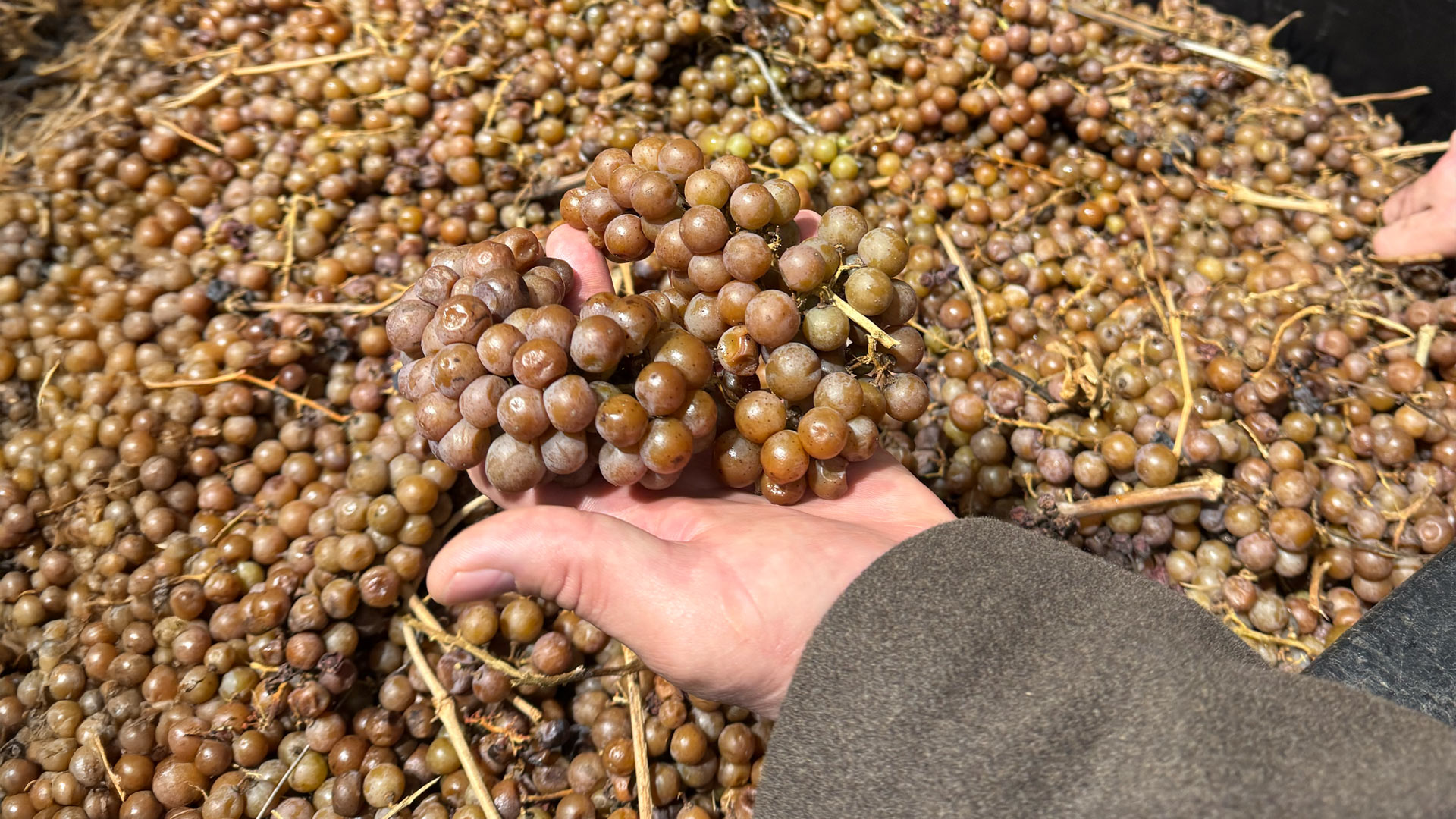
Farming grapes specifically to produce Ice Wine is no easy feat, as it requires a careful balance of luck and skill each year. Crop loads are typically increased so that as the grapes hang on the vine and dehydrate throughout the fall and early winter, there is enough fruit remaining at harvest to achieve reasonable yields. Many growers rotate the parcels designated for Ice Wine annually due to the heavy energy stress this process places on the vines.
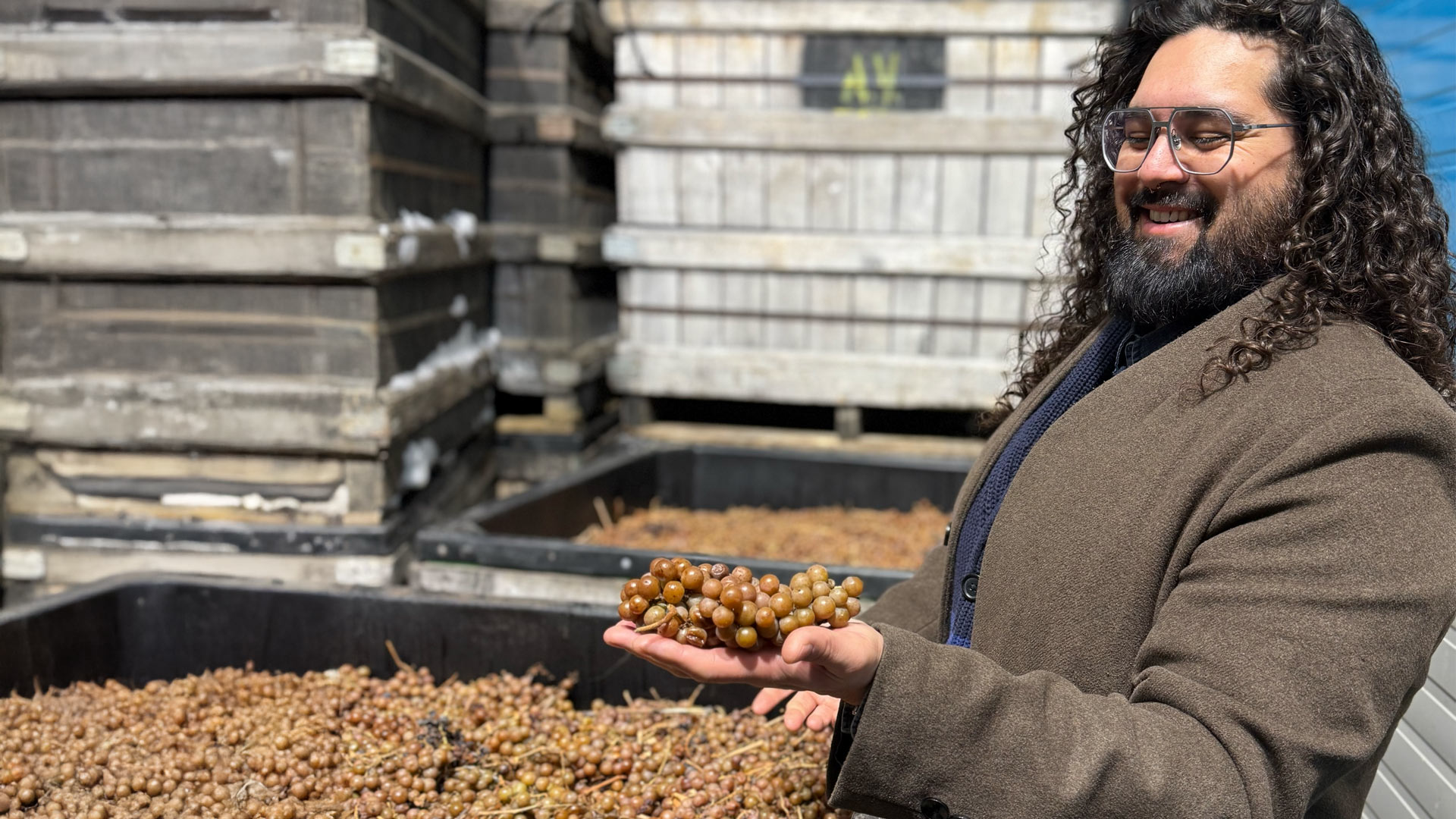
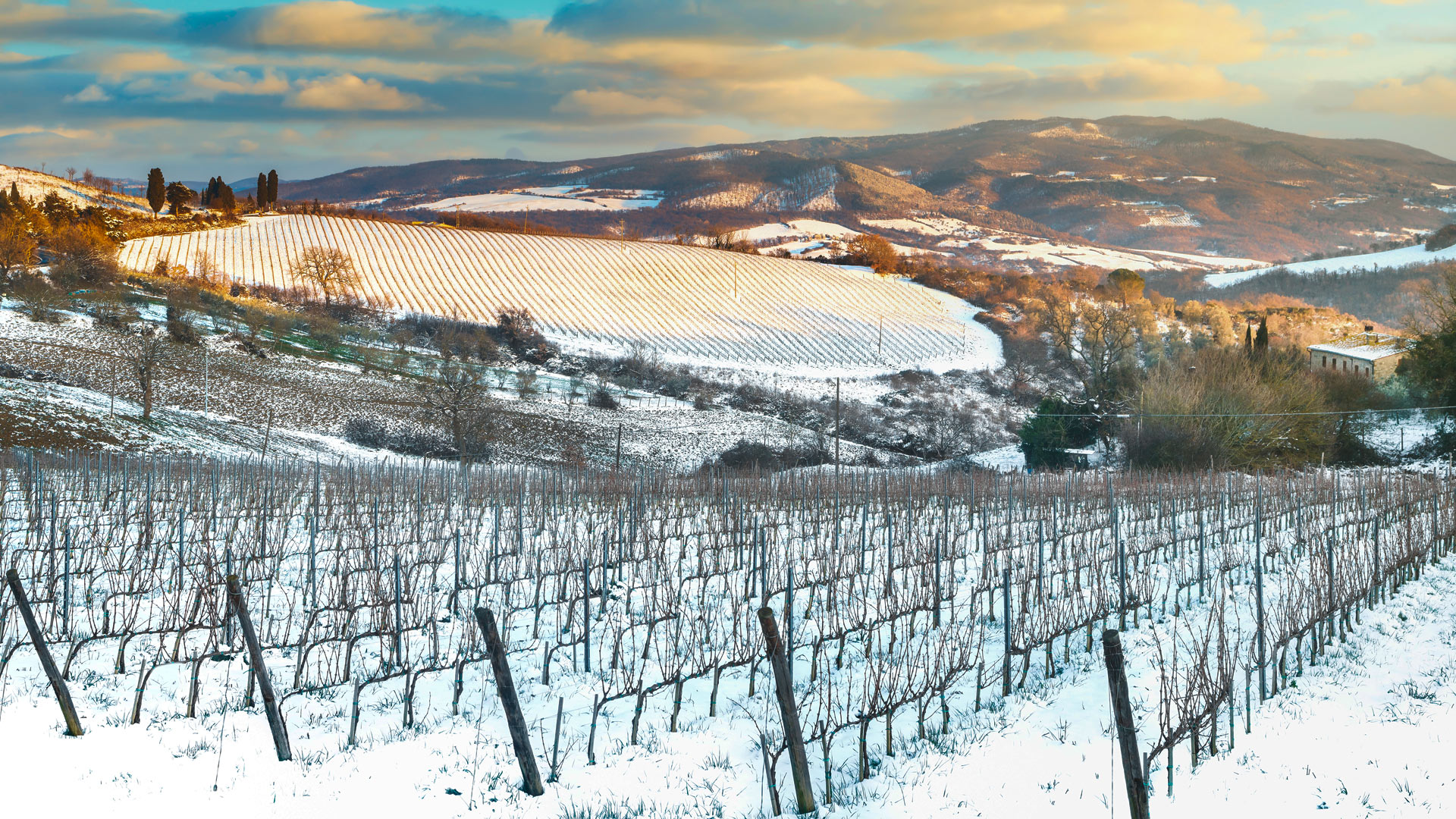
NexTerra’s Ice Wine harvest begins when temperatures reach 18 degrees Fahrenheit or below for two consecutive days, as the grapes must be naturally frozen in order to legally claim “Ice Wine” on the label.
Ice Wine is not required to be made from specific varietals; however, only certain grapes are hardy enough to reliably produce it year after year. Vidal Blanc, Chenin Blanc, Merlot, and Cabernet Franc are among the most dependable due to their thicker skins and sturdy rachis, which can withstand freezing temperatures. In more favorable vintages, Riesling and Gewürztraminer can also produce beautiful Ice Wines thanks to their intense aromatics, though their thinner skins make them more vulnerable to harsh conditions.
After harvest, typical Ice Wine juice yields per ton are only 20–30% of those from standard wine grapes. In contrast, sugar levels can reach 1.5–2 times that of conventional grape juice. This “liquid gold” is then fermented using carefully selected yeasts capable of withstanding extreme sugar concentrations while enhancing aromatic complexity. The result is a beautifully golden, honey-colored wine with bright acidity and a balanced, lingering sweetness on the palate.
At NexTerra, Ice Wine is one example of how we work with producers to source distinctive wines shaped by climate and careful production methods—supporting custom and private-label programs for partners seeking something truly unique. Contact us to learn more.